Threshold Guides #02 sara-sara vs zara-zara
Human-crafted distinctions, enhanced through AI-assisted analysis.
When does sara-sara stop belonging to its original texture and begin behaving like zara-zara?
If you miss that turning point, your expression flattens. In Japanese storytelling, these boundaries guide how a moment lands—and what lingers in the reader’s mind.
This is not a dictionary.
This is a record of my observations.
Threshold Guides is a series built to visualize the invisible thresholds that native speakers navigate intuitively but rarely articulate. I don’t just compare static definitions; I track the exact moment a sensation, texture, or emotion crosses into a neighboring expression. Each volume expands not your vocabulary list, but your perceptual range—the way you notice, classify, and narrate the world.
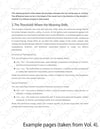
Boundary Field Notes (from Threshold Guides #04)
A shared observational method across the series.
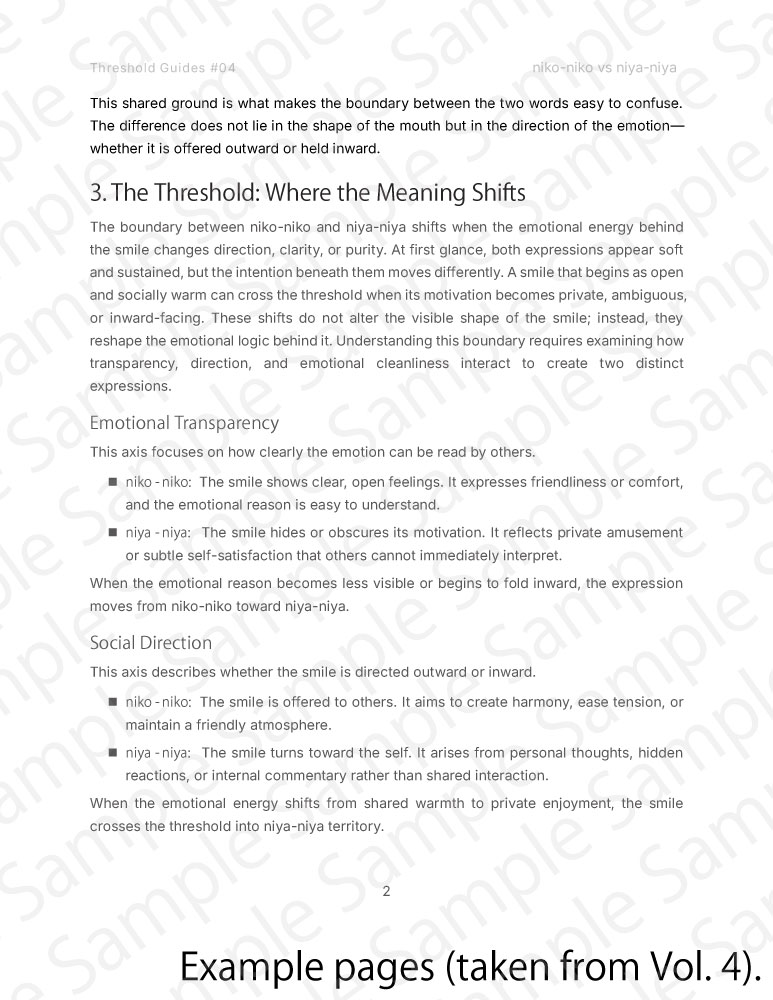
When I sense niko-niko, the recognition begins long before I can see the details of a person’s face. Even across a park, the atmosphere softens; the brightness around the eyes reaches me first. The warmth spreads through space rather than pressing on me directly.
niya-niya is different. I rarely notice it unless I am within a couple of meters. The tension sits in a single point—the corner of the mouth—and the sensation lands exactly where the gaze rests. It feels close-range, something that reveals itself only when you are near enough to sense the private current behind it.
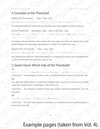
Concept Example: Before / At / Beyond (from Threshold Guides #04)
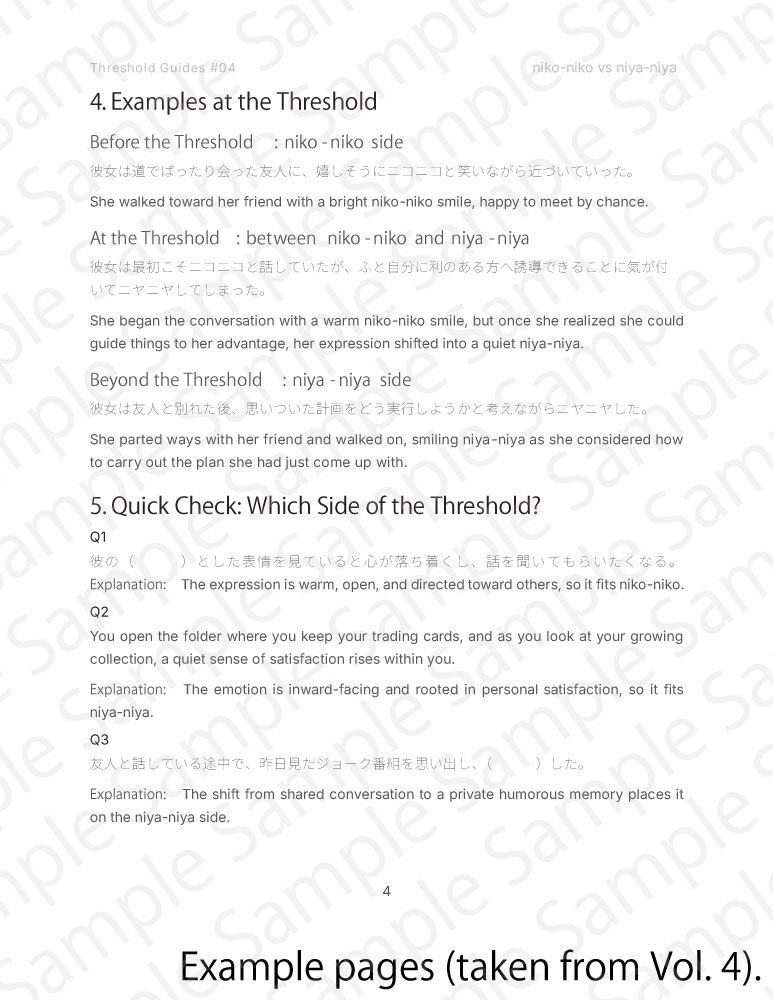
Before — niko-niko
彼女は道でばったり会った友人に、嬉しそうにニコニコと笑いながら近づいていった。
She walked toward her friend with a bright niko-niko smile, happy to meet by chance.
At the Threshold
彼女は最初こそニコニコと話していたが、ふと自分に利のある方へ誘導できることに気が付いてニヤニヤしてしまった。
She began the conversation with a warm niko-niko smile, but once she realized she could guide things to her advantage, her expression shifted into a quiet niya-niya.
Beyond — niya-niya
彼女は友人と別れた後、思いついた計画をどう実行しようかと考えながらニヤニヤした。
After parting ways, she walked on, smiling niya-niya as she considered how to carry out the plan she had just come up with.
What this guide helps you see
Instead of “mastering” a word, this guide helps you locate the baseline boundary and understand which conditions cause that boundary to shift—moisture, pressure, emotional tone, narrative framing, or interpersonal distance.
This guide is a tool for seeing the world more deeply—and expressing it more richly—through Japanese mimetic language.
Inside this guide
- Threshold Analysis — A structural map of “Before / At / Beyond,” isolating the mechanical and atmospheric triggers behind each shift.
- Creative Applications — Strategies for portraying texture, tension, or emotional proximity without explicit exposition.
- Contextual Cues — Real-world signals and quick checks to refine your instinctive grasp of nuance.
- Boundary Field Notes — First-person sensory observations that reveal how native intuition perceives the shift.
Who this guide supports
- Translators seeking tactile and atmospheric accuracy
- Manga/Anime creators shaping physical reality and emotional tone
- Advanced learners expanding their perceptual and expressive toolkit
Don’t just translate the words. Portray the atmosphere.
This volume is part of the onowords Boundary Analysis Project, an ongoing effort to document the sensory boundaries, physical presence, and narrative behavior of Japanese mimetic expressions.