Mimetic Compatibility Guides #08 Paper
Human-crafted distinctions, enhanced through AI-assisted analysis.
Does every sheet of paper in your scenes end up moving pera-pera?
If so, you're flattening the real physical variance of the language.
When paper drifts, tears, crumples, or collapses, Japanese doesn't treat those moments as interchangeable.
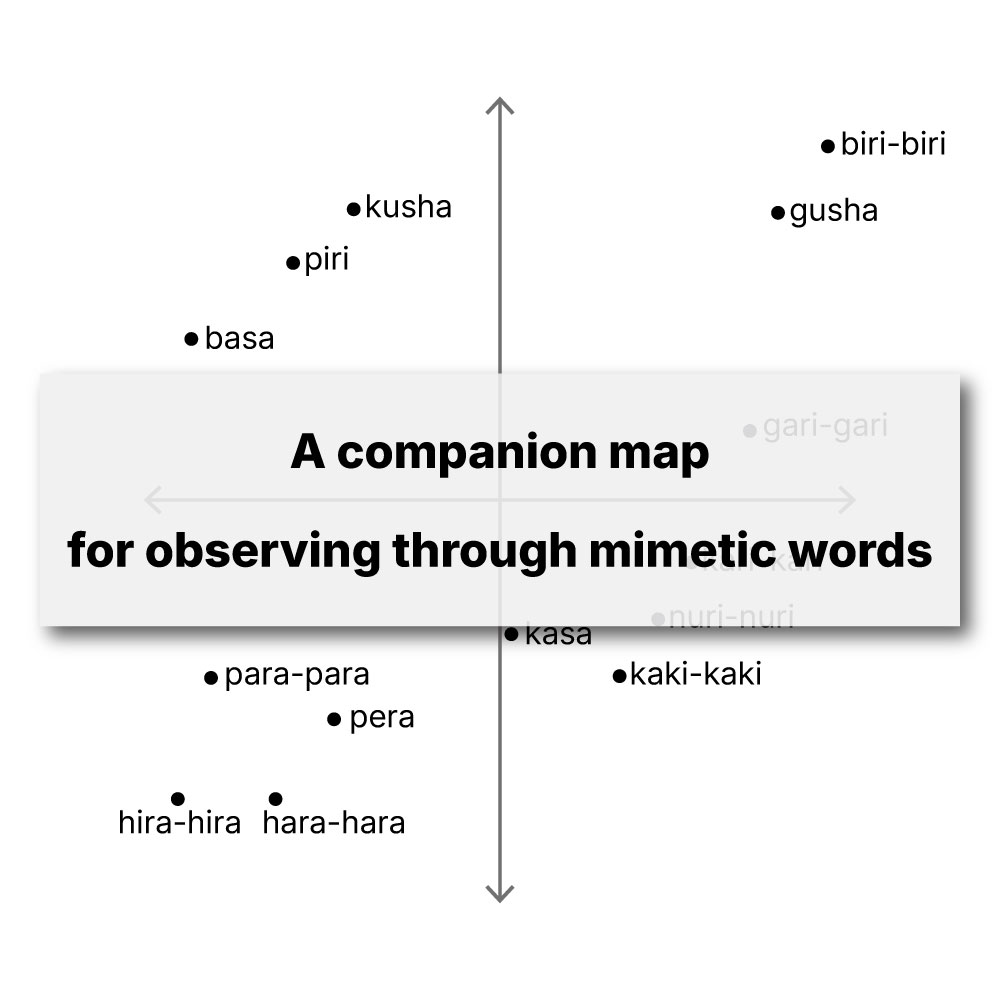
hira-hira, basa, kusha, and gusha each direct attention to a different aspect of the object—and change how the audience experiences the scene.
Using the wrong manga SFX doesn’t just sound off.
It changes what the audience notices.
This is not a dictionary.
Start with the object. Find the expression.
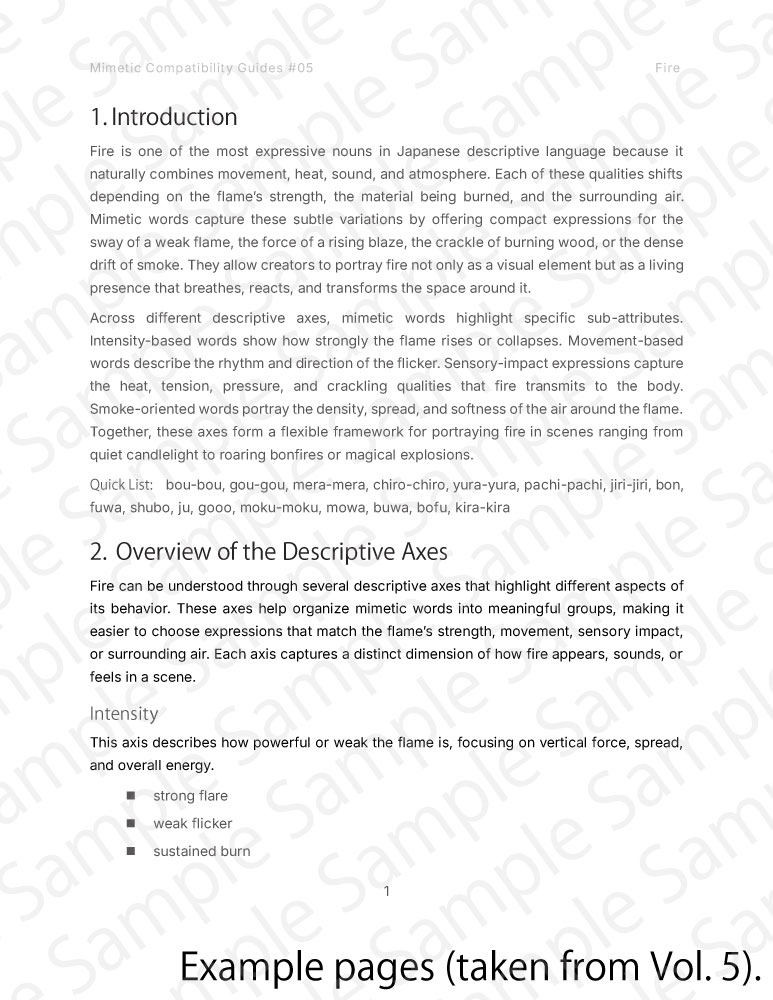
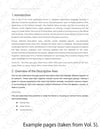
Mimetic Compatibility Guides is a series built to map how Japanese mimetic words interface with specific nouns.
Rather than listing definitions, this guide articulates which aspects of an object each expression draws attention to—its motion, texture, or change.
The aim is not to place words by memory or intuition, but to offer options that help creators express what they want the audience to notice.
Each entry is grounded in observation: how a word emerges from an object’s behavior, what it highlights, and what it leaves in the background.
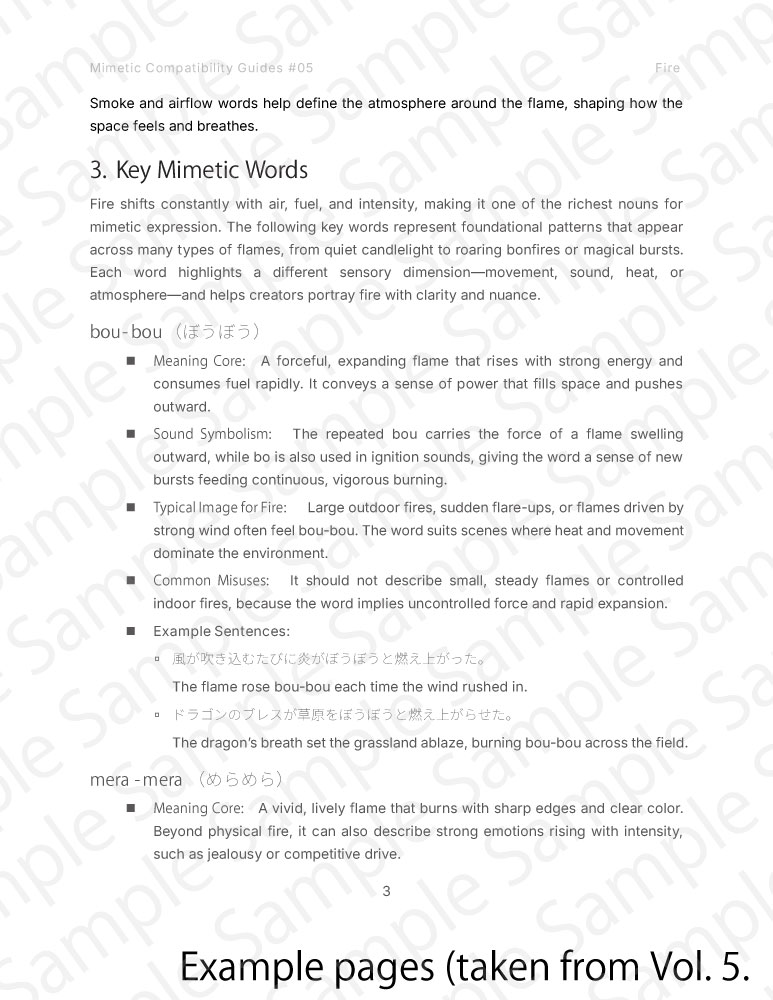
Key Mimetic Words (from Mimetic Compatibility Guides #08)
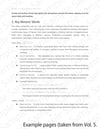
kusha (くしゃ)
- Meaning Core: A soft, compacting deformation created when paper is lightly crushed or squeezed.
- Sound Symbolism: k suggests lightness, while sha conveys disorder and a gentle collapse.
- Typical Image for Paper: A sheet balled up in one hand, or a page wrinkling under careless handling.
- Observer Field Note: This word highlights manipulation—the moment the hand closes around the sheet and the paper yields softly. Surface texture recedes; the focus is on the act of crushing rather than the feel of the paper.
- Example Sentences:レシートをくしゃと丸めてポケットに入れた。 He crumpled the receipt softly in one hand and slipped it into his pocket.
What this guide helps you see
- How each mimetic word pairs with a noun’s physical state and behavior
- Which combinations feel natural, and which collapse the realism of a scene
- How viewpoint, sensory focus, and emotional tone shift the boundary between expressions
- How to choose the right SFX by starting from the object and deciding what the audience should notice
This guide expands not your vocabulary list, but your ability to control atmosphere, weight, and motion through sound.
Inside this guide
- Compatibility Matrices — Reverse‑lookup tools showing natural, awkward, and high‑risk pairings
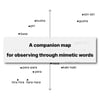
- Sensory Axes — A mapped framework showing how expressions distribute attention across different sensory dimensions
- Observer Field Note — Records of how each mimetic word directs perceptual focus: what it emphasizes, and what it systematically backgrounds
- Physical Logic of Sound — How softness, sharpness, dryness, and weight emerge from sound patterns
- Creative Applications — How viewpoint and medium (Manga / Anime / Novels / Games) change which word becomes vivid
Who this guide supports
- Translators who need precise, atmosphere‑accurate nuance
- Manga / Anime creators shaping physical reality and emotional tone
- Writers and worldbuilders who want their scenes to breathe, move, and resonate with precision
Don’t just add a sound.
Use it to guide the reader’s focus.
This volume is part of the onowords Boundary Analysis Project, an ongoing effort to document the sensory boundaries, physical presence, and narrative behavior of Japanese mimetic expressions.